
Sue Gray has resigned after recent controversies surrounding freebies, her
salary and leaked information to journalists about her. Now Sir Keir Starmer
has shuffled his top civil service team only three months after the general
election.
Over the course of the first few months of the new Labour government being in
power, it has been embroiled in collection of criticism and controversies, some
including former chief of staff, Sue Gray, whose responses have been stated to
undermine the new Labour government.
Controversies surrounding Sue Gray
Sue Gray’s earliest controversy in recent memory is her involvement within the
partygate scandal which Gray played a role in as a prominent civil servant leading
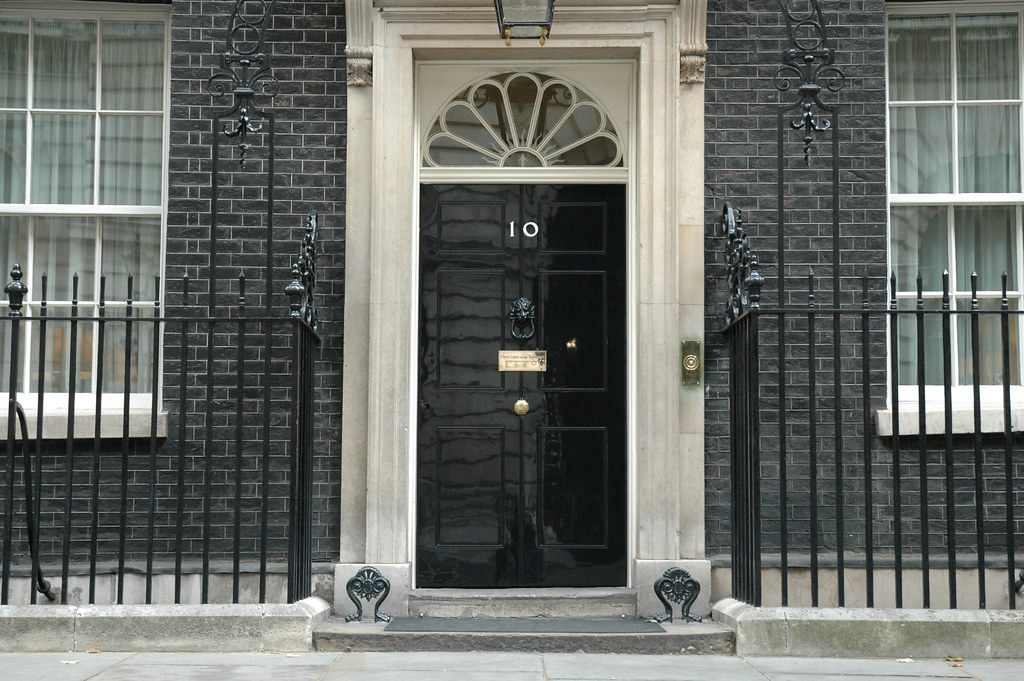
the investigation into whether or not illegal gatherings at 10 Downing Street
happened during the Covid-19 pandemic lockdowns. For the record, they did and Ms
Gray was scathing in her report about the Conservative government’s handling of
those gatherings. As opposition leader, Sir Keir Starmer then offered her a role in the
Labour party something that didn’t go down well with many. Several critics such as
Conservative MP Alex Strafford questioned her choice in joining Labour suggesting it
had undermined her previous work upon the investigation.
And then Gray’s salary would be the focus of a BBC story after it was leaked to them
by an insider that she was earning £170,000 following a pay rise –£3,000 more than
Prime Minister Sir Keir Starmer and higher than her predecessors in the chief of staff
role. This raised eyebrows in the media and political circles especially when
considering her role in leading internal tensions and causing media scrutiny for the
party.
Sue Gray’s involvement with the freebies scandal also played a significant role within
intensifying public scrutiny around her position within the Labour Government. She
was reported to have accepted free Premier League tickets, causing tension with the
public as it coexisted at the same time as the cuts to winter fuel payments and
overall growing austerity.

There has been internal fighting inside the Labour party, between Gray and other
senior figures such as Morgan McSweeney. There have been allegations of Gray’s
leadership style causing conflict and worsening internal issues. A cabinet minister
had seemingly foreshadowed Gray’s resignation when they were quoted as saying,
“one or both of them will have to go. It’s not going to be Morgan.”
The ongoing process of Sue Gray’s resignation
Following these controversial events, she announced that she was resigning from
the position of chief of staff on Sunday. She said: “It has been an honour to take on
the role of chief of staff, and to play my part in the delivery of a Labour government.”
She went on to state the rising concerns surrounding her position over the past few
weeks: “However, in recent weeks it has become clear to me that intense
commentary around my position risked becoming a distraction to the government’s
vital work of change.”
Sir Keir Starmer responded in a statement with: “I’m really pleased to be able to
bring in such talented and experienced individuals into my team. This shows my
absolute determination to deliver the change the country voted for.”
New Chief of Staff, Morgan McSweeney
Soon after the announcement of Sue Gray’s resignation, former campaign director
and head of strategy Morgan McSweeney was promoted to assume her role within
Downing Street.
McSweeney was made director of campaigns in 2021 and was credited in
orchestrating Labour’s election win in July.
There had been several reports suggesting an internal competition between
McSweeney and Gray, seemingly clashing over Sue Gray’s approach to leadership
within the Downing Street Staff.
It is believed McSweeney’s observed expertise in political strategy and the
management of campaigns has made him instrumental in the structuring of Labour’s
new Government, placing himself within a key position to seamlessly assume Sue
Gray’s role as Chief of Staff.


