Scotland has so much to offer for people looking for that perfect getaway, from a road trip around the North Coast 500 to a visit to one of their many ski resorts.
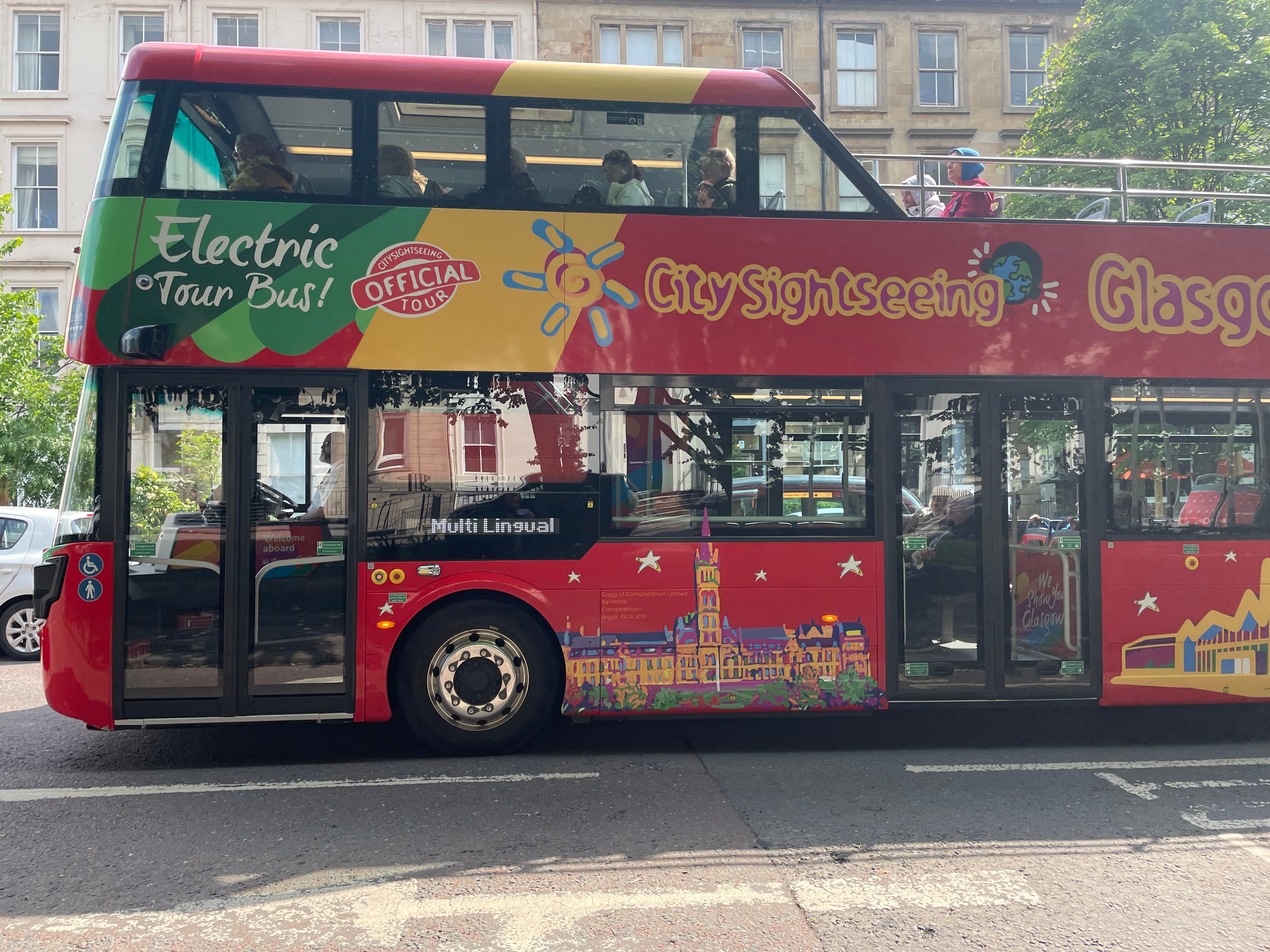
But as tourist begin to behave in an environmentally conscious way, they are beginning to look for more sustainable ways to travel; this is where Glasgow comes in.
Glasgow was one of the first cities to sign up to the Glasgow Declaration Climate Action in Tourism, which was announced at COP26, in 2021.
They plan to achieve net-zero carbon emissions by 2030, including in the tourism sector.
The city was also the first to join the Global Destination index back in 2016, where it has been consistently in the top 10.

VisitScotland’s regional director for Glasgow City Region, Lynne Cooper claimed, “home to world class cultural attractions, events and live music, Glasgow is one of Europe’s leading sustainable tourism destinations.
“Glasgow’s fantastic variety of museums and art galleries, buildings and architecture, and heritage attractions can be easily explored by visitors using the city’s public transport network, by bike or on foot.”
There are so many ways to enjoy the city in a sustainable way, whether your interests are historical or you are just looking for a shopping weekend.
Visit the many museums and galleries including Kelvingrove art gallery and museum and the Burrell collection.
Or, if you are looking for something a little more personal and unique, why noy join one of Invisible Cities walking tour, where you will experience a Glasgow not seen on TikTok.
Founder of Invisible Cities, Zakia Moulaoui Guery suggested that, “if you’re looking for a historical tour by your local expert, then that’s not us,” remarking that, “the tours that people deliver is never going to be a script that we give out to people and that they read.”
Invisible Cities offers bespoke tours based on the tour guides personal interests or experience, but what really make them unique is that they are delivered by homeless people.
Zakia highlighted the work the organisation puts in to help homeless people get a step up in life, stating, “We train people who have experienced homelessness to become guides of their own city.
“Once they’re trained and, hopefully improved on confidence and skills and what we call transferable skills, we employ them directly to do walking tours.
“I think you if you have had an experience of homelessness or addiction or poverty or abuse, you will have different experience of the city than other people.
“So, by bringing their personal experience, that’s what makes the tours different, and they can be advocate for the city, which is also really nice to see.”
As a walking tour Invisible Cities already has low carbon footprint, however due to the social enterprise, they work with others in the city to help meet their carbon footprint targets.
Zakia explained: “whether it’s our customers or our partners or a hotel that may be promoting our tours and we work with them to reduce their carbon footprint.
“We work with people to recycle materials that they have used during their events and to recycle fresh items like flowers and distribute them into temporary accommodation.
“We also do the same with any goodie bags or things like that that can be passed on to people, then, rather than go to landfill and bring it into a more circular economy.”
This has helped put them on the map, the Meaningful Travel Map.
Zakia suggest that “tools like the meaningful Travel Map are really important because, especially younger generations of travellers, will purposely look for things like that.
“And to be referenced as part of that map means that we have access to that pool of people that are looking for those experiences.”
If the city centre is too touristic for your liking, then make your way to Govanhill.
Not your typical tourist spot, Govanhill has so much to offer the eco-tourist.
Nestled away is the Hidden Garden, an urban garden right in the heart of the area, and after you could take a visit to Locavore, where you’ll be greeted by lovely staff, eager to serve you locally sourced, waste-free, lunch.


Zakia said: “we do tours of Govan, which is not your destination when you are a traveller; there is a lot of local pride and interesting things that are happening in an area like that.
“So, I feel that this is our responsibility as a so we may have a captured audience with guests that have come on a regular touristic Glasgow to with us.
“But our responsibility is also to let them know about Govan and say, right, you’ve done this one tour, so why don’t you do this one as well?”
Whatever the experience you are looking for in Glasgow, there is so much to do that will not increase your carbon footprint.
Visit Scotland reflected that, “tourism is vital to many local communities. It creates jobs, attracts investment, supports other sectors, and can help address depopulation, attracting people to live in, as well as visit our region. It can generate economic and social wealth.
“Scotland’s communities, along with our natural and cultural heritage, are what make Scotland so special. It is vital we protect and preserve them for the future.”
They go on to state, that “supporting sustainable tourism is an integral part of what we do.
“Whether that’s using our marketing to encourage slow tourism and seasonal spread or helping the tourism and events industry to create experiences that are inclusive and sustainable.”
“We have a vision for Scotland to be the most economically, environmentally and socially sustainable destinations in the world.”
Zakia’s reflected that “TikTok can tell you a lot about Glasgow, but I think that what it cannot provide you is that human interaction with somebody, who ultimately had a bit of a rough time in a city, right.
“So, if you want to have that and if you want to support locally, then that’s great; and I think that’s the way we should travel anyway.”
Tourism industry is by its nature, carbon intensive, that it why it is important as tourist to find ways to bring it down just that little bit.


